

|
HOT JOBS



Opportunity to Acquire a Legacy Online News Publication: City-County Observer
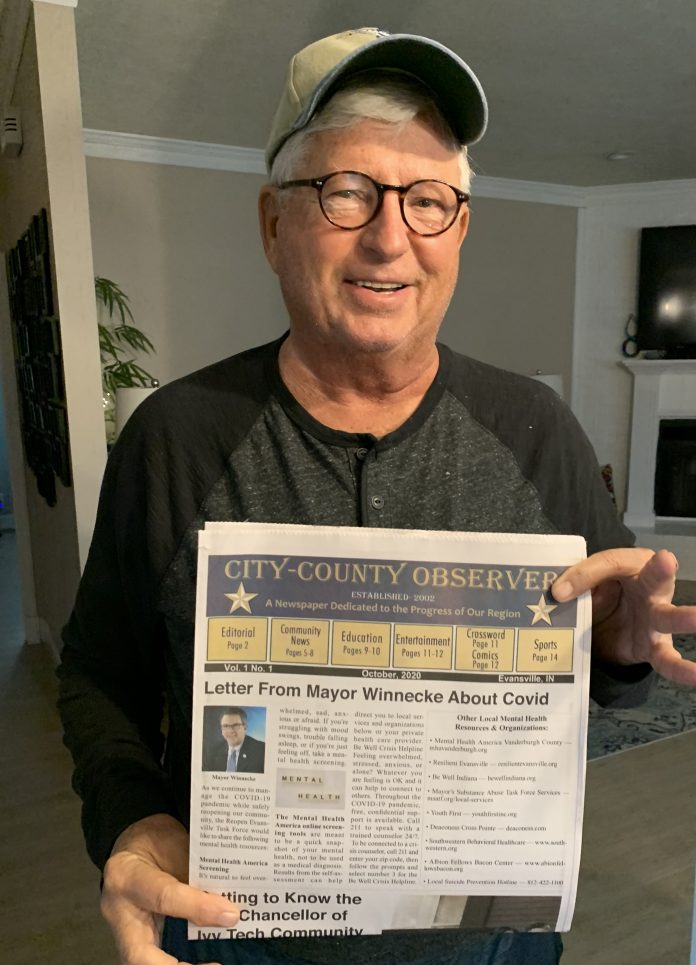
For over two decades, the City-County Observer has been a recognizable and trusted name in local digital journalism. Built during a time when community-focused reporting mattered most, the Observer established itself as a platform for government transparency, civic dialogue, and independent reporting. Today, it presents a rare opportunity: the chance to acquire a legacy online newspaper with an established brand, existing readership, and significant growth potential.
A Recognized Name with Community Credibility
The City-County Observer is not a startup—it is a known entity. The name carries weight in the community, particularly among readers who value local government coverage, public accountability, and independent commentary. In an era when local journalism is disappearing, this publication represents something increasingly rare: brand recognition tied to civic trust.
For the right buyer, the City-County Observer is more than a website—it is a foundation. One that can be revitalized, expanded, and positioned for long-term success in the future of local media.
If interested, please contact citycountyobserver@live.com, or 8127748012
Indiana Senate advances bell-to-bell school cellphone limits despite bipartisan concerns

The chamber additionally approved a measure Tuesday to ban ranked choice voting in Indiana.
A divided Indiana Senate approved a bill Tuesday to tighten school cellphone restrictions, advancing the proposal to the House despite concerns about safety, cost and enforcement.
Senate Bill 78, authored by Sen. Jeff Raatz, R-Richmond, passed the chamber 28-19 after a 40-minute floor debate.
Eight Democrats and 11 Republicans voted against the measure. GOP votes in opposition were cast by Sens. Ron Alting of Lafayette, Eric Bassler of Washington, Vaneta Becker of Evansville, Justin Busch of Fort Wayne, Dan Dernulc of Highland, Aaron Freeman of Indianapolis, Jean Leising of Oldenburg, Ryan Mishler of Mishawaka, Jim Tomes of Wadesville, Kyle Walker of Lawrence and Greg Walker of Columbus.

The legislation would require all public schools to adopt a ban that prohibits students from using or possessing a wireless communication device during the school day and requires that any teacher-directed use of a device “for educational purposes” occur only on school-supplied devices.
It also mandates that each district choose between two enforcement models: a “no device policy,” in which students may not bring phones to school at all; or a “secure storage policy,” in which students may bring phones but must store them so they are “inaccessible throughout the school day.”
The bill expands the definition of “wireless communication device” to include smartwatches connected to a phone, cell tower or the Internet.
Under current state law, students are prohibited from using phones during instructional time, but they can use them during lunch and passing periods.
‘Adults need to be in charge’
Raatz said the bill is driven by mounting evidence in favor of phone-free schools.
“It’s proven statistically that kids need a distraction-free day in school,” he said. “Adults need to be in charge. Students need to listen.”
Raatz further told senators his bill intentionally leaves some policy decisions to local schools, but he acknowledged that four key issues will still need to be resolved in the opposing chamber.
He cited elementary school storage options; exceptions for student access to phones for work-based learning opportunities and athletics; hashing out specifics for smart watch connectivity; and dealing with policy implications on school-sponsored devices.
Democrats and some Republicans who spoke against the bill on Tuesday argued that while limiting distractions in the classroom can improve student learning, the bill creates practical and safety concerns as well as costs for schools.
Sen. Fady Qaddoura, D-Indianapolis, said research supports reducing distractions but was opposed to advancing a bill with unresolved problems.
“Rather than fixing these issues on the House side, I always prefer that we get the job done here,” Qaddoura said, adding that storage costs and enforcement would be burdensome for large Hoosier schools. “Teachers are supportive of the idea of limiting the cellphones in the classroom … but the implementation is the problem.”
Sen. La Keisha Jackson, D-Indianapolis, also opposed the bill, pointing to school shootings and emergencies.
“If you have not been in that situation,” she said, “you do not know what it feels like to be helpless without a cellphone or some type of contact to contact somebody.”
Division within the Senate GOP supermajority
Leising, among the objecting GOP senators, questioned why lawmakers were expanding restrictions instead of enforcing existing law.
“I wish that rather than having this bill, we would be addressing how we can fix what we already have in place,” Leising said.
Additionally, Sen. Shelli Yoder, D-Bloomington, pressed Raatz on enforcement and flexibility, calling the bill “government overreach and an unfunded mandate.” She argued, too, that the policy “has no teeth.”
“If schools are having issues with the current policy we passed … let’s help them,” Yoder said, warning that expanding the mandate without clear enforcement or funding would not solve those problems.
Raatz countered that schools already enforce behavioral rules daily and should not be micromanaged by lawmakers.
“We should not legislate all the way down,” he said. “The bottom line is, the school does it every day and kids — yes, they learn their behavior.”
“They learn because of the restrictions that are set in place,” Raatz continued. “You can’t have (the device) — and if you have it, you’re going to get in trouble.”
Byrne, a Republican who supported the bill, reiterated that the policy would improve student outcomes at no cost to the state.
“The locals,” he added, “will be able to figure it out.”
The Senate vote came the same day a national coalition of child well-being groups released a report grading Indiana a “C” for its current phone-free school policy, citing the state’s limitation of restrictions to instructional time rather than the entire school day.
The report found that states with “bell-to-bell” phone bans — requiring students to store devices in secure, inaccessible locations for the full school day — are more likely to see improvements in academic performance, student mental health and teacher satisfaction.
Proposed bill takes on ‘step therapy’ and how insurance companies cover cancer meds
-
According to Alimyon Allen, roughly 6,530 Hoosiers will be diagnosed with breast cancer in 2026, and over 800 will die.
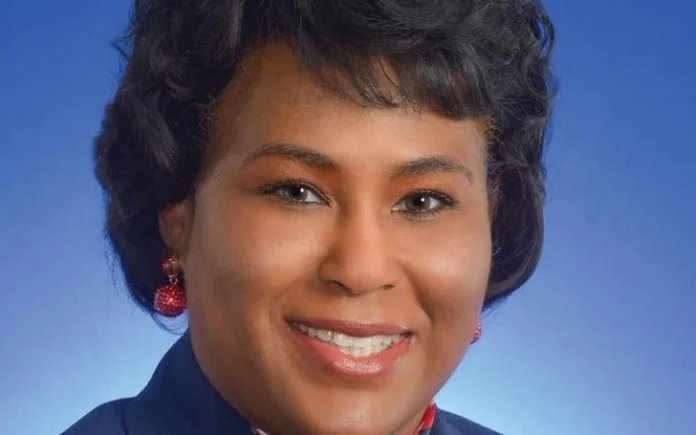
Rep. Cherrish Pryor, D-Indianapolis. Allen, state policy and advocacy manager for the Susan G. Komen Breast Cancer Foundation, arrived at the Statehouse Tuesday to testify in the House Insurance Committee in support of House Bill 1114. The proposed legislation, authored by Rep. Cherrish Pryor, D-Indianapolis, would prevent insurance companies from denying life-saving or life-improving metastatic cancer and associated condition treatment medications—also known as “step therapy.”
In this context, step therapy is a process insurance companies use that requires cancer patients to use a lower-cost drug to treat their symptoms. If the low-cost drug is found to be ineffective, an insurance company will have the patient “step up” to a higher cost—and oftentimes—more effective medicine.
“Only after the [insurance] plan’s preferred drug is shown to be ineffective for the patient can they access the prescribed treatment,” said Allen. “Unfortunately, most step therapy protocols rely on generalized information regarding patients and their treatments and don’t consider unique experiences, previous responses to treatment or any comorbidities.”
Heather Pirowski is an inflammatory breast cancer survivor; after her diagnosis in 2020, she founded Hoosier Breast Cancer Advocates.
Pirowski testified in support of HB 1114 to highlight the need for associated condition coverage for “thrivers” living with metastatic breast cancer. Pirowski stressed the importance of converting medications that soothe the accompanying side effects of metastatic cancers.
“Associated conditions look different for every patient. For one thriver, it may be severe pain and neuropathy, but for another it may be blood clots or heart complications,” said Pirowski. “These are not optional or secondary issues.”
Currently, 18 states have similar legislation requiring associated condition coverage for cancer medications.
HB 1114 passed unanimously. Now the bill heads to the House chamber to await a second vote.
Chloe White is a reporter for TheStatehouseFile.com, a news site powered by Franklin College journalism stude
BURTON ON PASSAGE OF HB 1002 OUT OF COMMITTEE
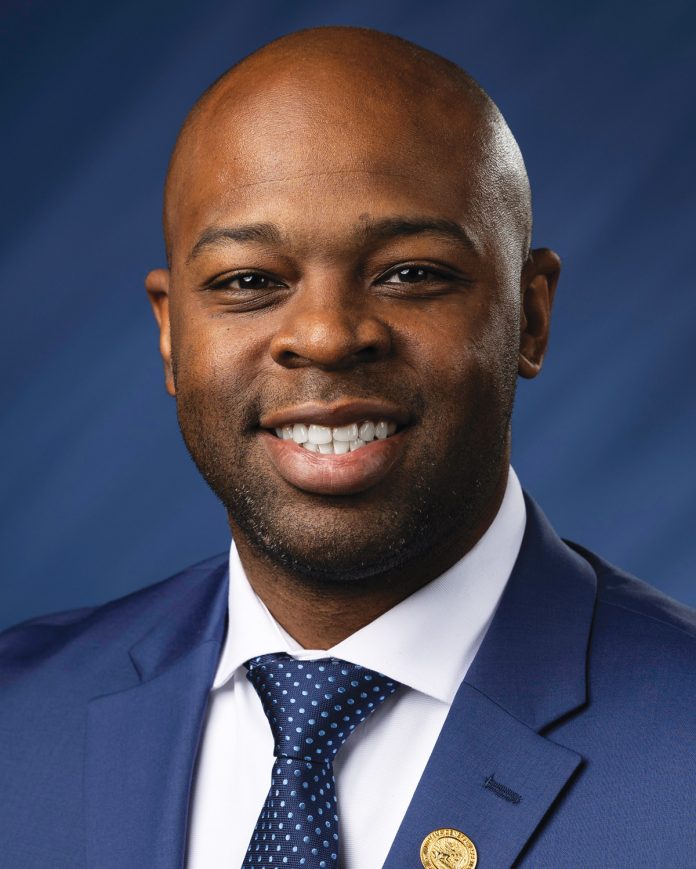
INDIANAPOLIS the House Utilities and Telecommunications Committee voted unanimously to advance House Bill 1002 to the House floor.
State Rep. Alex Burton (D-Evansville) released the following statement on the bill’s passage out of committee:
“Last week, my remarks regarding ‘budget billing’ were heard and resulted in a legislative change that updates the term to ‘levelized billing,’ providing consumers with a more stable energy rate based on their historical energy usage.
“I remain optimistic that we can continue working toward stronger protections for consumers’ energy costs, including improved transparency and notification systems that keep Hoosiers informed

USI to host Health Professions Day for high school students February 27

The University of Southern Indiana Kinney College of Nursing and Health Professions is hosting a Health Professions Day for high school juniors and seniors exploring careers in healthcare on Friday, February 27. The day will incorporate hands-on experiences within various health professions programs, as well as interaction with USI faculty and current students.
The event, from 8 a.m. until 2:30 p.m. in the USI Health Professions Center, will include lunch and an optional campus tour. Representatives from the following programs will lead breakout sessions: Dental Assisting and Dental Hygiene; Diagnostic Medical Sonography; Food and Nutrition; Health Administration and Community Health; Health Informatics; Nursing; Occupational Therapy and Occupational Therapy Assistant; Radiologic and Imaging Sciences; and Respiratory Therapy.
“The health field offers a wide variety of career paths,” says Sean Weir, Chair of the Occupational Therapy Assistant Program. “Health Professions Day gives high school students the chance to see that the opportunities are limitless when they pursue one of our healthcare majors.”
Vincennes University to announce Southern Indiana Aviation Initiative

Vincennes University, in partnership with the Prosser Career Education Center and the Clark County Regional Airport, will host a media announcement to launch the Southern Indiana Aviation Initiative, a new effort to expand aviation flight and aviation maintenance education opportunities in the region.
The initiative will increase access to training and career pathways in the aviation industry and is supported by funding from the State of Indiana and local partners. University and community leaders will share project details and discuss the initiative’s impact on students, workforce development, and the regional economy.
Friday, January 23, 2026
10 a.m. (ET)
Doors open at 9:30 a.m.
Clark County Regional Airport
Osborne Hangar
7009 Airport Drive
Sellersburg, Indiana
47172

HOT JOBS
|
|||||||||||||||
|
|||||||||||||||
|
|||||||||||||||
|
|||||||||||||||
|
|||||||||||||||
|
|||||||||||||||
|
|||||||||||||||
|
|||||||||||||||
|
|||||||||||||||
|
|||||||||||||||
|
|||||||||||||||
|
|||||||||||||||
|
|||||||||||||||
|
|||||||||||||||
|
|||||||||||||||
|
|||||||||||||||
|
|||||||||||||||
|